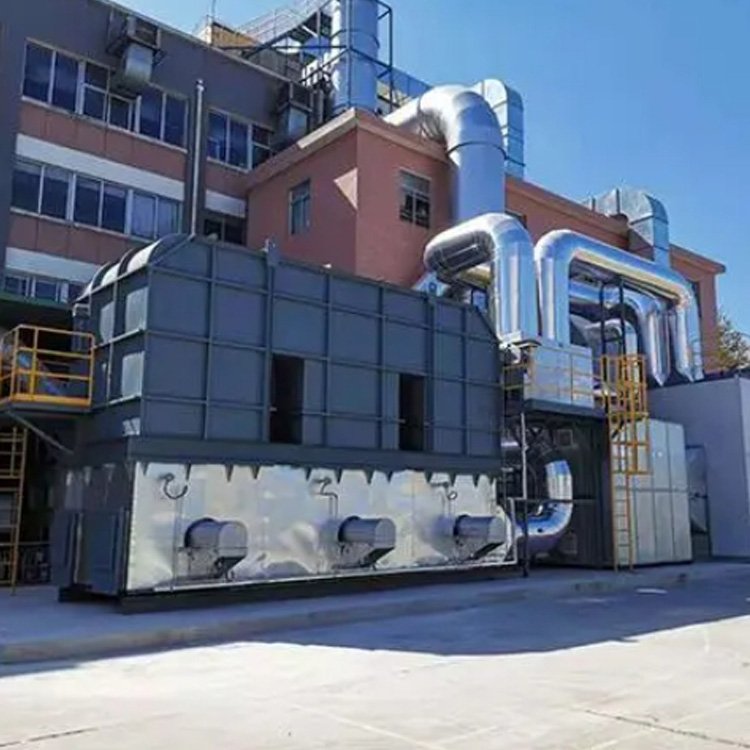
This article explores the critical role of high temperature incinerators in modern industrial waste management. It provides an in-depth examination of technical parameters, operational efficiency, and common questions regarding the use of high temperature incinerators. The guide aims to assist industries in selecting the optimal incineration solution, ensuring environmental compliance and cost-effective waste treatment.
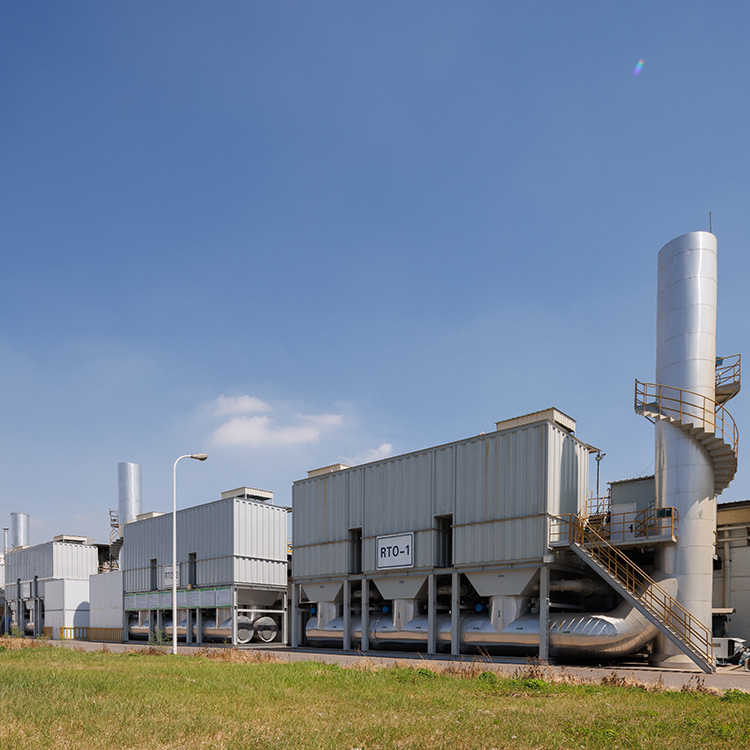
High temperature incinerators are advanced waste treatment systems designed to combust industrial and hazardous waste efficiently at elevated temperatures, typically exceeding 1,000°C. These systems convert waste into ash, flue gas, and heat, significantly reducing environmental impact and volume of residual material.
The core principle of operation relies on controlled combustion and secondary treatment of flue gases to ensure compliance with stringent emission standards. Modern high temperature incinerators integrate advanced refractory lining, precise temperature control, and automated feeding mechanisms to enhance reliability and operational efficiency.
The following table outlines typical parameters of high temperature incinerators used in industrial applications:
| Parameter | Specification |
|---|---|
| Maximum Operating Temperature | 1200°C – 1400°C |
| Waste Capacity | 500 kg/h – 5000 kg/h |
| Combustion Chamber Material | High-grade refractory brick with steel outer shell |
| Emission Control | Electrostatic precipitator / Scrubber / Bag Filter |
| Fuel Type | LPG, Natural Gas, Diesel, or Electricity |
| Automation Level | Full automatic control with PLC integration |
| Flue Gas Temperature | Typically < 200°C after heat recovery |
These parameters can be customized according to specific industrial requirements, ensuring optimal waste treatment efficiency while minimizing operational costs.
Q1: How does a high temperature incinerator ensure complete combustion of industrial waste?
A1: Complete combustion is achieved through a combination of high operating temperatures, sufficient residence time of waste in the combustion chamber, and controlled oxygen supply. Modern systems utilize advanced PLC control to monitor temperature, airflow, and waste feed rate, minimizing incomplete combustion and reducing harmful emissions.
Q2: What safety measures are implemented in high temperature incinerators?
A2: Safety measures include automated emergency shutdown systems, over-temperature alarms, refractory lining inspection protocols, and continuous flue gas monitoring. Additionally, the integration of secondary combustion chambers and emission control devices ensures both operator safety and environmental compliance.
Efficient operation of high temperature incinerators requires careful consideration of waste composition, feeding rate, and system maintenance. Key operational practices include:
By adhering to these practices, industries can maximize the lifespan of their incineration equipment, reduce operating costs, and maintain regulatory compliance.
High temperature incinerators represent a crucial solution for modern industrial waste management, offering high efficiency, environmental compliance, and operational reliability. Companies seeking a dependable solution can consider options provided by Lvquan, which integrates advanced technology, rigorous safety standards, and customizable operational parameters. For further inquiries or to explore tailored incineration solutions, contact us today.