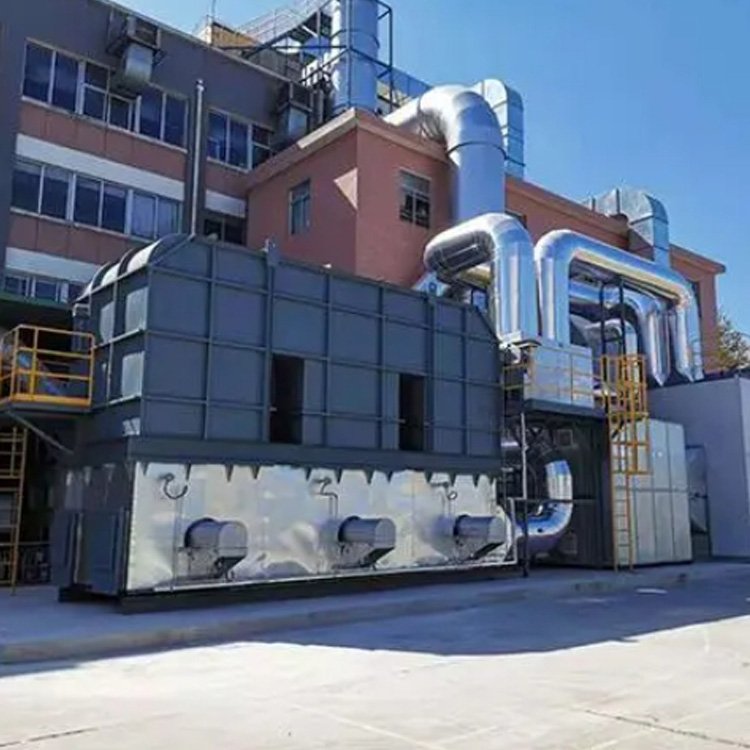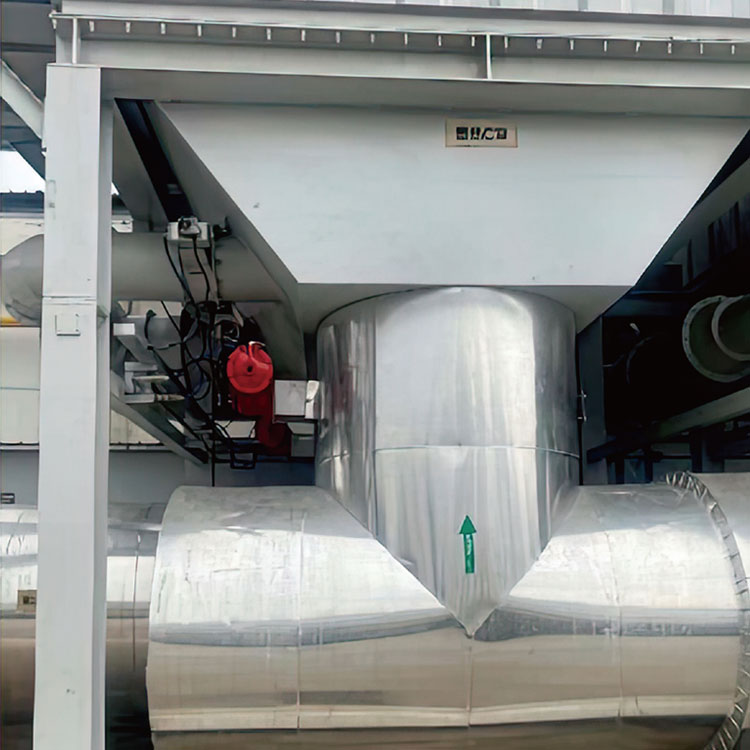
In industrial waste gas treatment systems, the reliability of flow control components directly impacts system uptime, safety, and regulatory compliance. The eccentric butterfly valve has emerged as a preferred solution for applications requiring frequent operation and tight sealing—particularly in Regenerative Thermal Oxidizers (RTOs) and other volatile organic compounds (VOCs) treatment systems. This article examines the Eccentric Butterfly Valve from Lvquan, exploring its design principles, operational advantages, and the engineering choices that make it suitable for demanding industrial environments. We look at the valve's eccentric structure, pneumatic actuation, sealing performance, and the applications where it outperforms conventional valve designs.
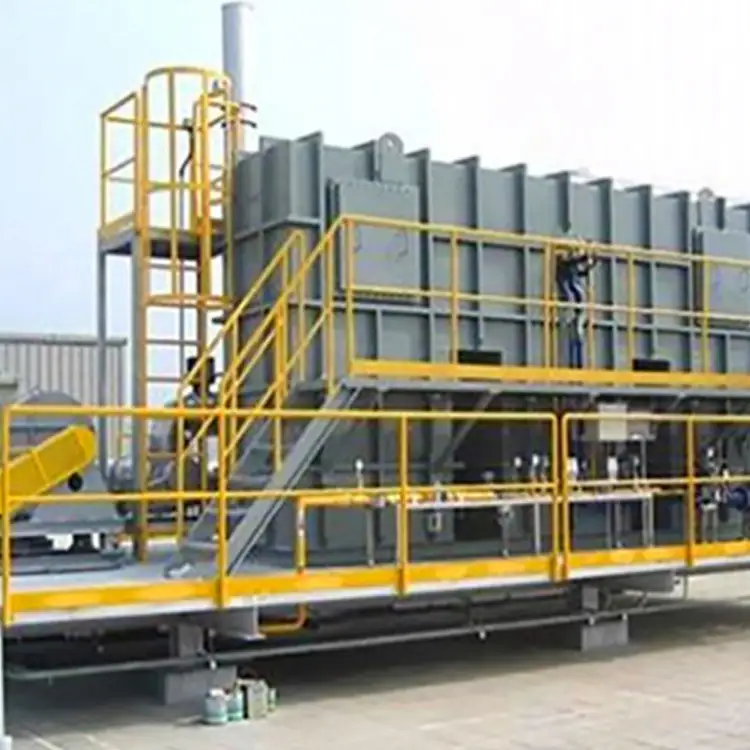
Industrial facilities generating volatile organic compounds (VOCs) face increasingly stringent emission regulations. Among thermal oxidation technologies, a catalytic incinerator stands out due to its lower operating temperatures and energy efficiency.
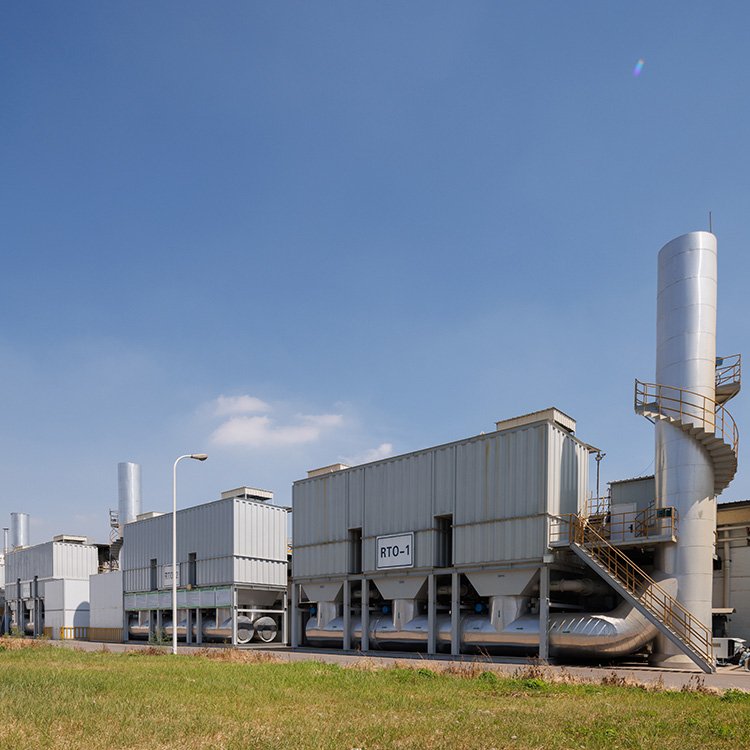
This article explores the critical role of high temperature incinerators in modern industrial waste management. It provides an in-depth examination of technical parameters, operational efficiency, and common questions regarding the use of high temperature incinerators. The guide aims to assist industries in selecting the optimal incineration solution, ensuring environmental compliance and cost-effective waste treatment.
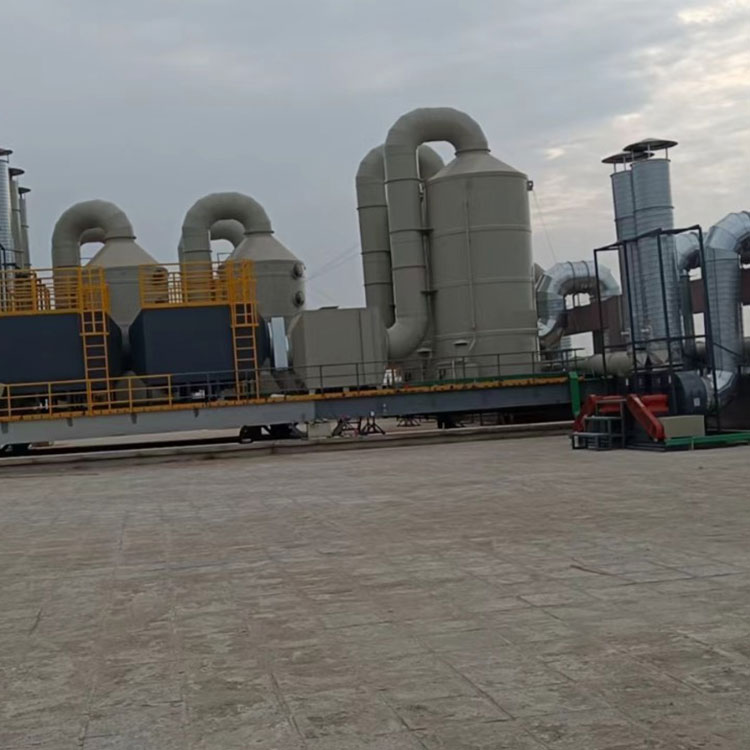
Activated carbon adsorption devices have become increasingly important in industries seeking efficient removal of VOCs, odors, organic pollutants, and harmful emissions. As stricter environmental regulations emerge and enterprises prioritize cleaner production, the demand for high-performance adsorption equipment continues to rise.
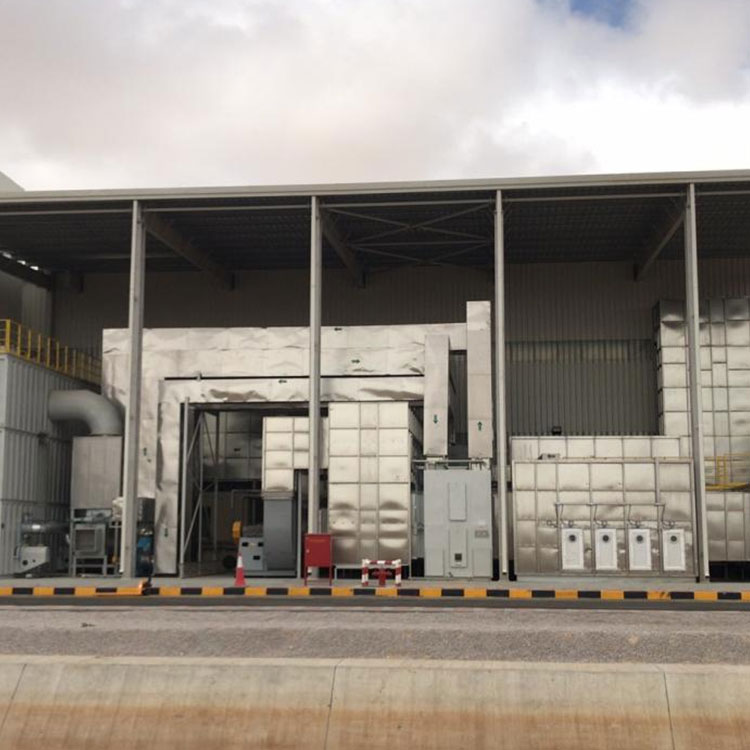
A Catalytic Incinerator is an advanced air purification system designed to control and eliminate volatile organic compounds (VOCs), hazardous air pollutants (HAPs), and other industrial emissions. Unlike conventional thermal oxidizers, catalytic incinerators use a catalyst bed to enable oxidation reactions at significantly lower temperatures, usually between 300°C and 500°C, leading to energy savings and higher operational efficiency.
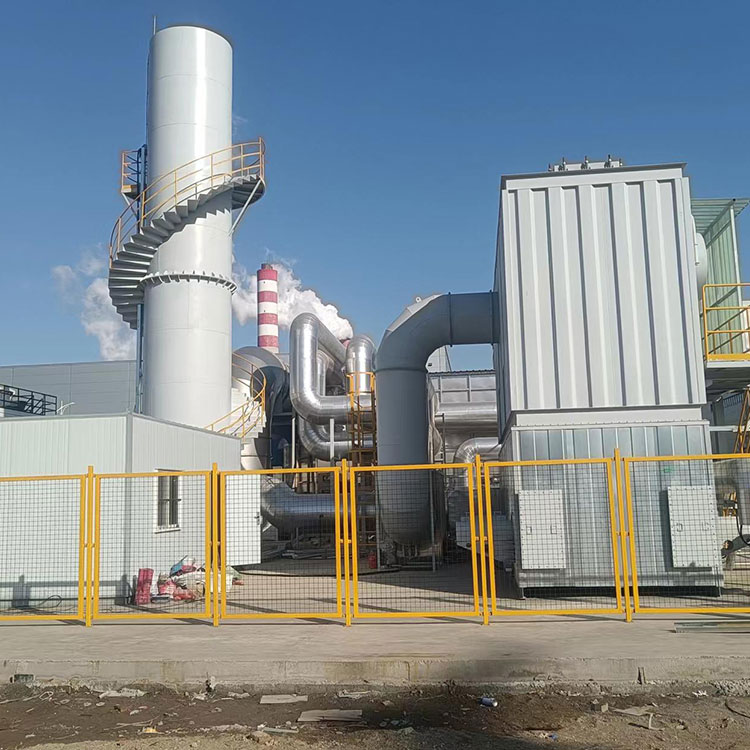
Lvquan is a factory specializing in the production of various Catalytic Incinerators. Today, we'd like to share some precautions for using this incinerator.